
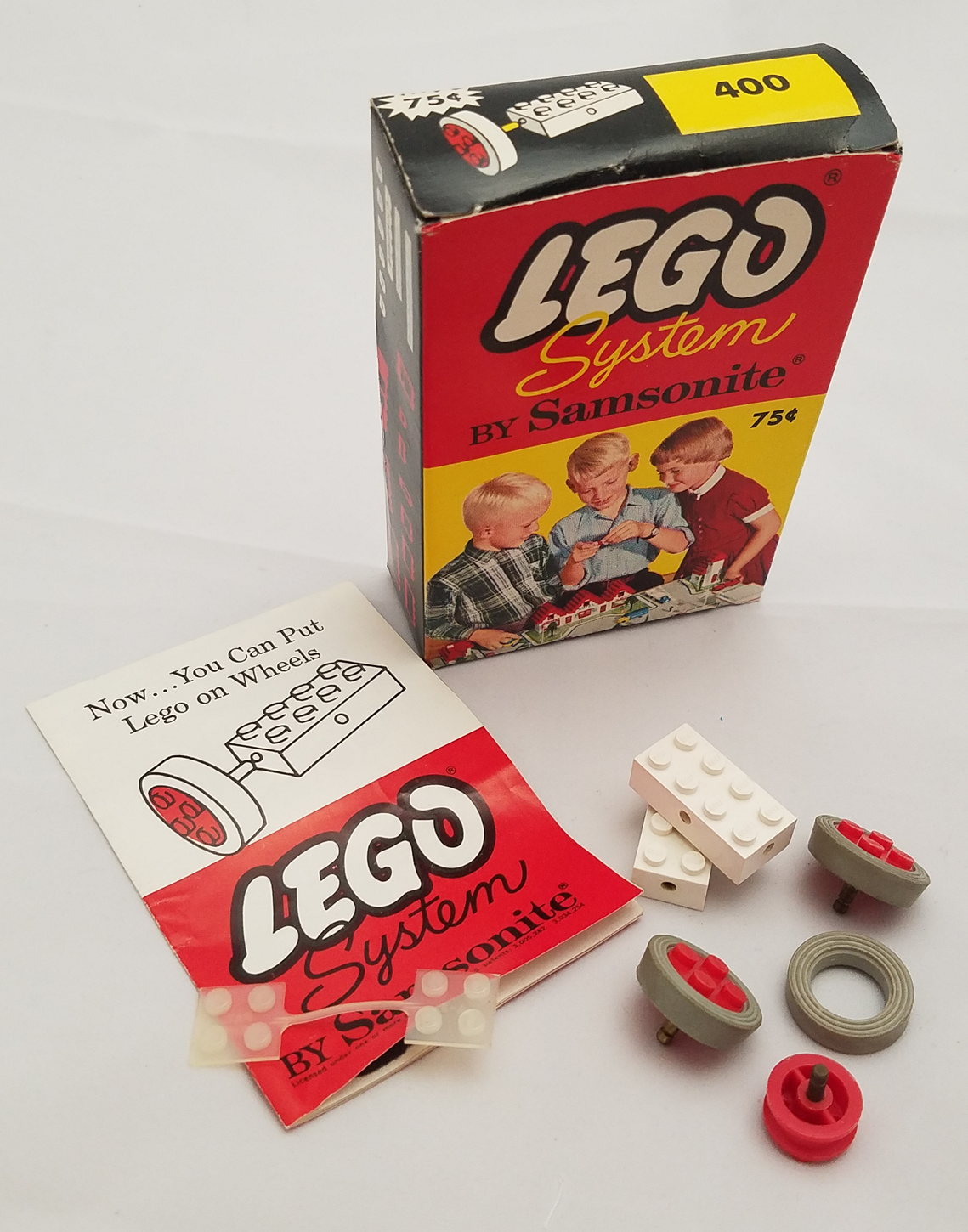
LEGO Wheel
1961
LEGO offers a vast array of wheel and tire combinations, essential components used across almost every theme, from simple vehicles to complex Technic machinery and massive display models like the Titanic. The right wheel depends on the model's scale, required function, and aesthetic.
Types of LEGO Wheels
LEGO wheels are generally composed of two primary parts: the hub (the hard plastic center) and the tire (the rubber part that provides grip).
Classic System Wheels: These are standard wheels used in themes like LEGO City, Town, and Friends.
Scale and Size: They come in numerous diameters (e.g., small 11mm wheels for scooters, 30mm for standard cars, large Monster Truck tires, etc.).
Connection: Most use a Technic axle hole in the hub, fitting onto standard LEGO axles. Technic Wheels: These are designed for more demanding applications in the Technic and Mindstorms themes.
Design: They are often wider, have deeper treads for off-road performance, and are built to handle heavier loads and high torque.
Specialized Treads: They include pieces like the LEGO Track Tread system (like those used on tanks or the Mars Rover Perseverance set), which use connected track links instead of traditional round tires.
DUPLO Wheels: For younger children, DUPLO wheels are much larger, simpler, and safer, designed to connect easily to the larger DUPLO bricks.
Display Models: Unique wheel designs are created for specific large-scale models, such as the massive, non-functional gold wheels on the LEGO Bugatti Chiron or the train wheels used on the LEGO Crocodile Locomotive.
Key Features and Considerations
Tires vs. Hubs: LEGO sells both the hubs and the rubber tires separately (part numbers are different), allowing builders to mix and match for custom designs.
Color Variety: Hubs come in a wide range of colors (grey, black, white, red, gold, etc.) to match the build's aesthetic.
Performance: The type of tire tread affects a model's grip; some are smooth for drift, while others have deep treads for traction.
Historical Evolution: Early LEGO wheels were solid pieces of plastic. The first rubber tires appeared in 1962, and the system for attaching wheels via axles evolved significantly in the 1970s and 1980s to the standard system used today.